01
Hazardous Sites: A Serious Threat to Human Life
In substations, chemical plants and mine galleries, staff face toxic gases, extreme heat and pressure, fire, explosions and the risk of falling.
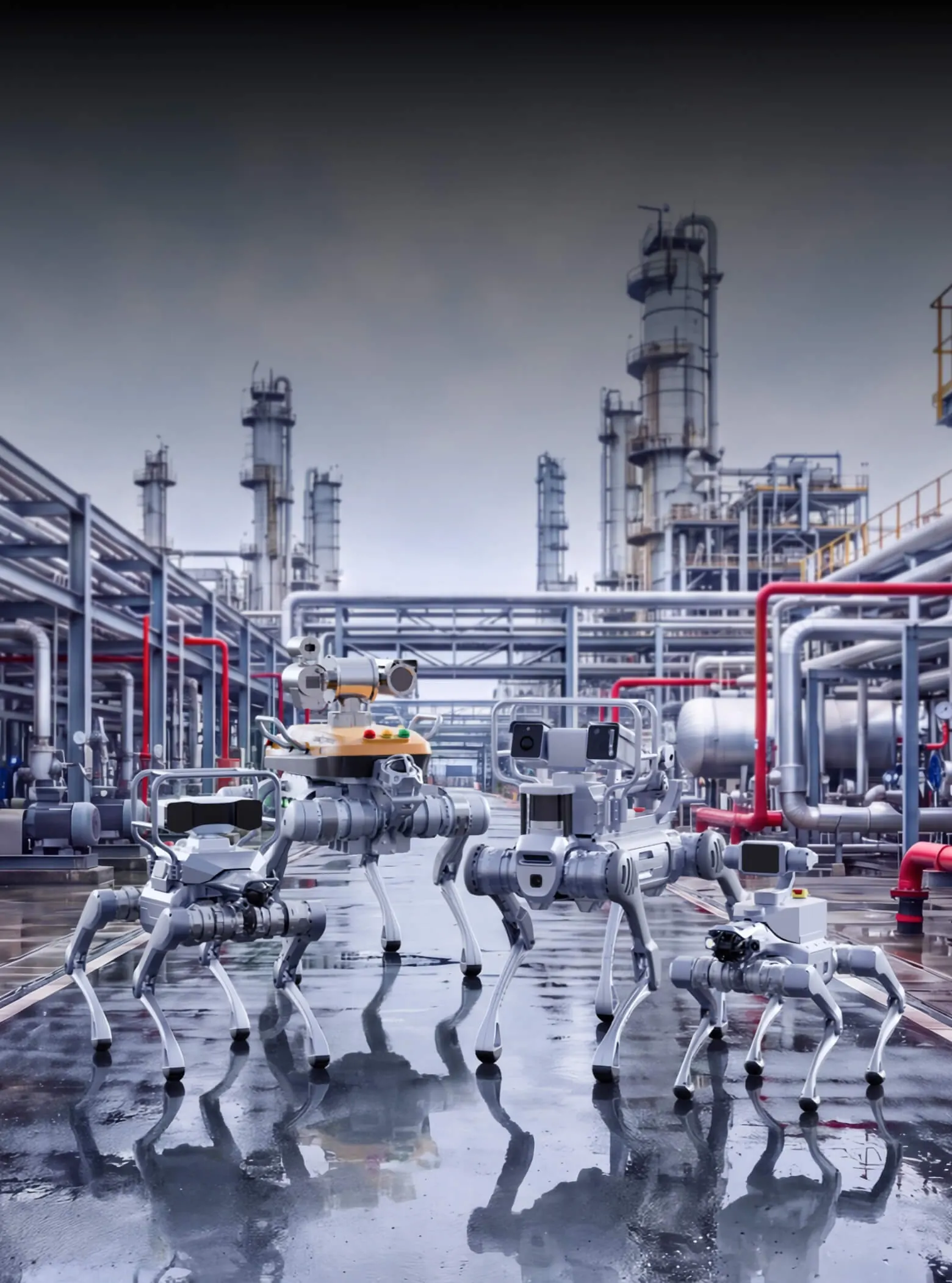
Leading the way in smart inspection, on technology-driven legs.It walks over the danger so safety stays on top.
Unitree's intelligent inspection solution, delivered in Turkey with Robotlar.org's backing. This smart inspection pioneer moves on technology-driven legs, steps over danger and keeps safety as the top priority.
In substations, chemical plants and mine galleries, staff face toxic gases, extreme heat and pressure, fire, explosions and the risk of falling.
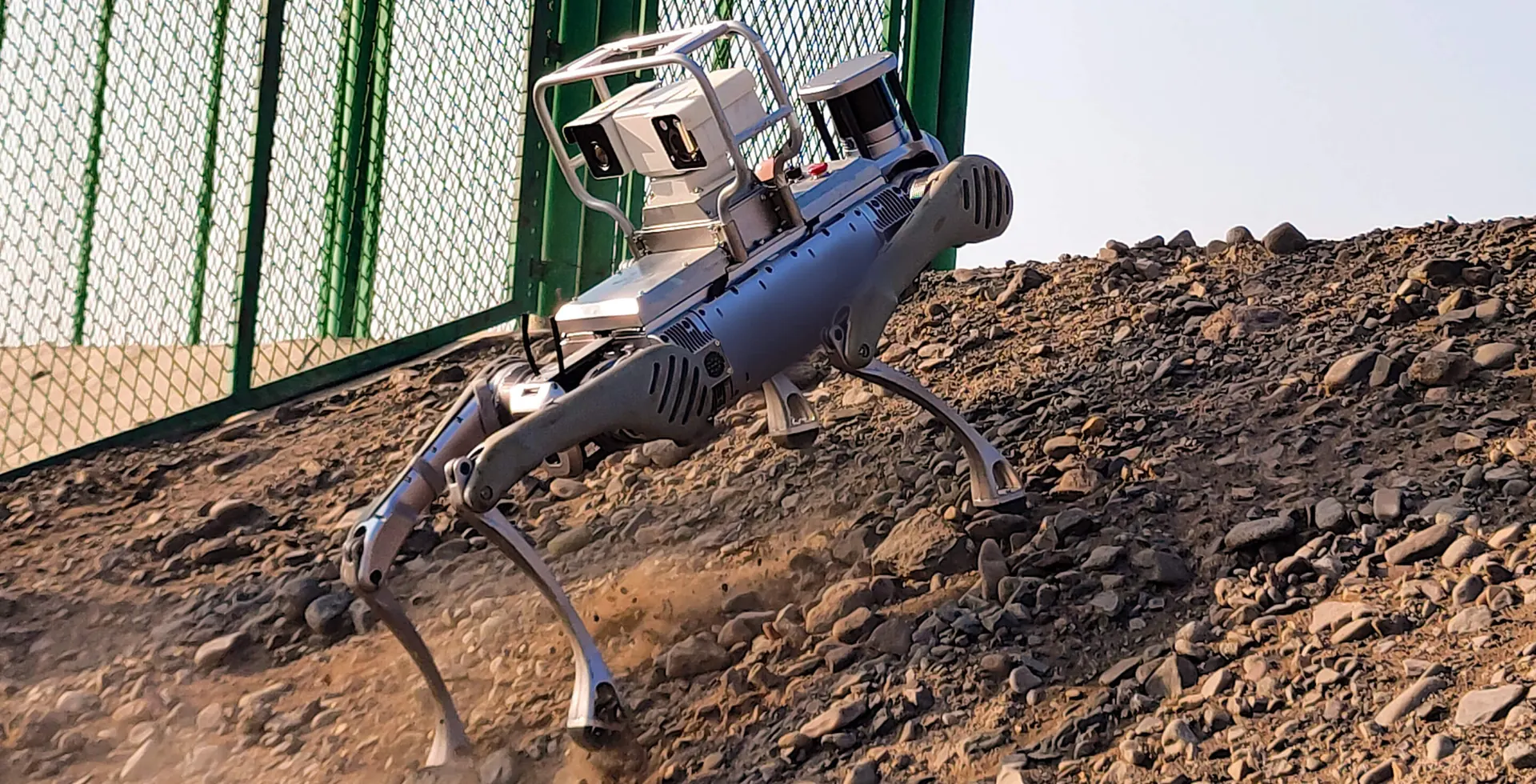
Stairways, trenches, debris, piping, tight corridors and raised equipment leave blind spots that neither people nor wheeled or tracked robots can get to.
Manual rounds are slow and sparse, so hours or even days pass between checks. The data has gaps, faults surface late, and night shifts or bad weather restrict the work even more.
Paper logs and hand-typed entries split the data up and let errors creep in, which makes historical comparison, trend analysis and predictive maintenance hard to achieve.
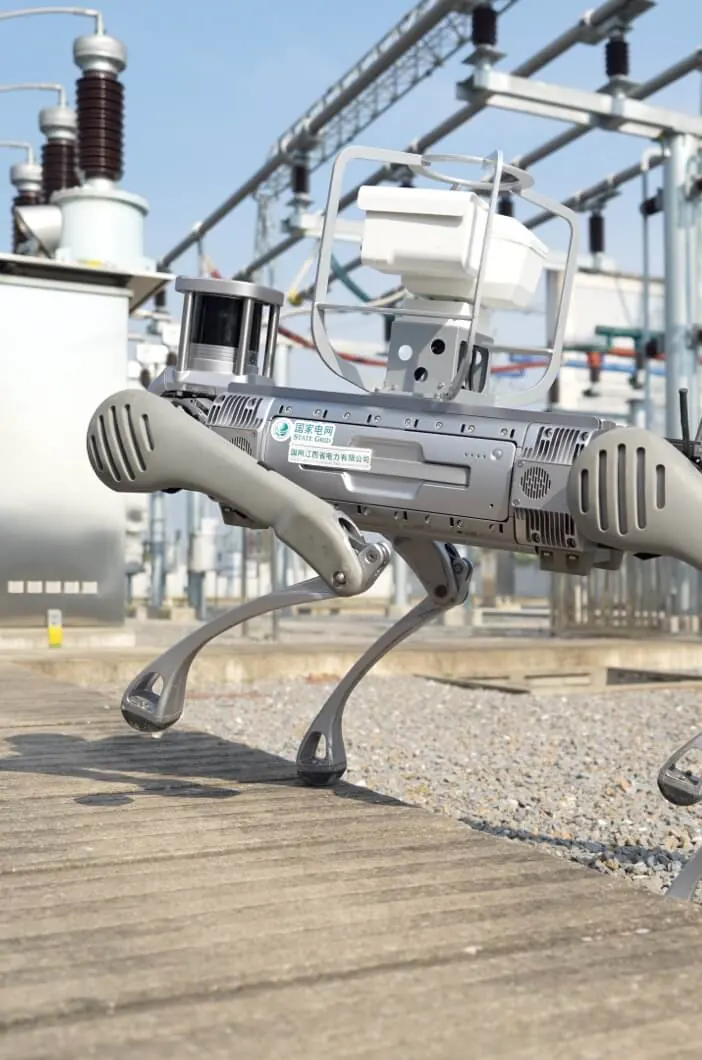
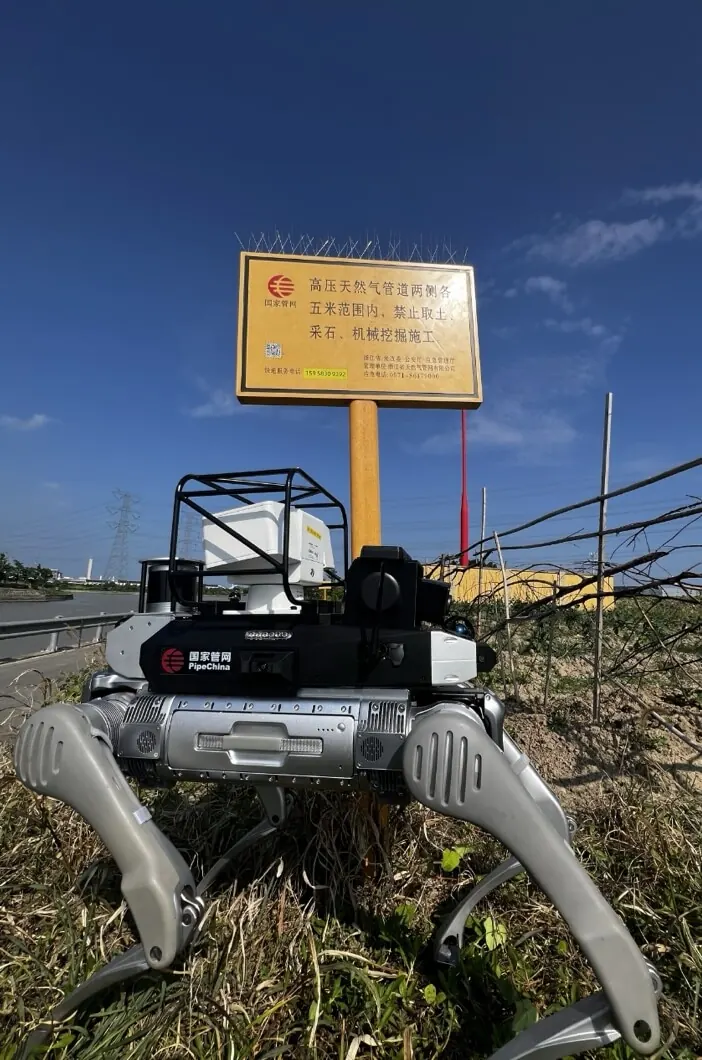
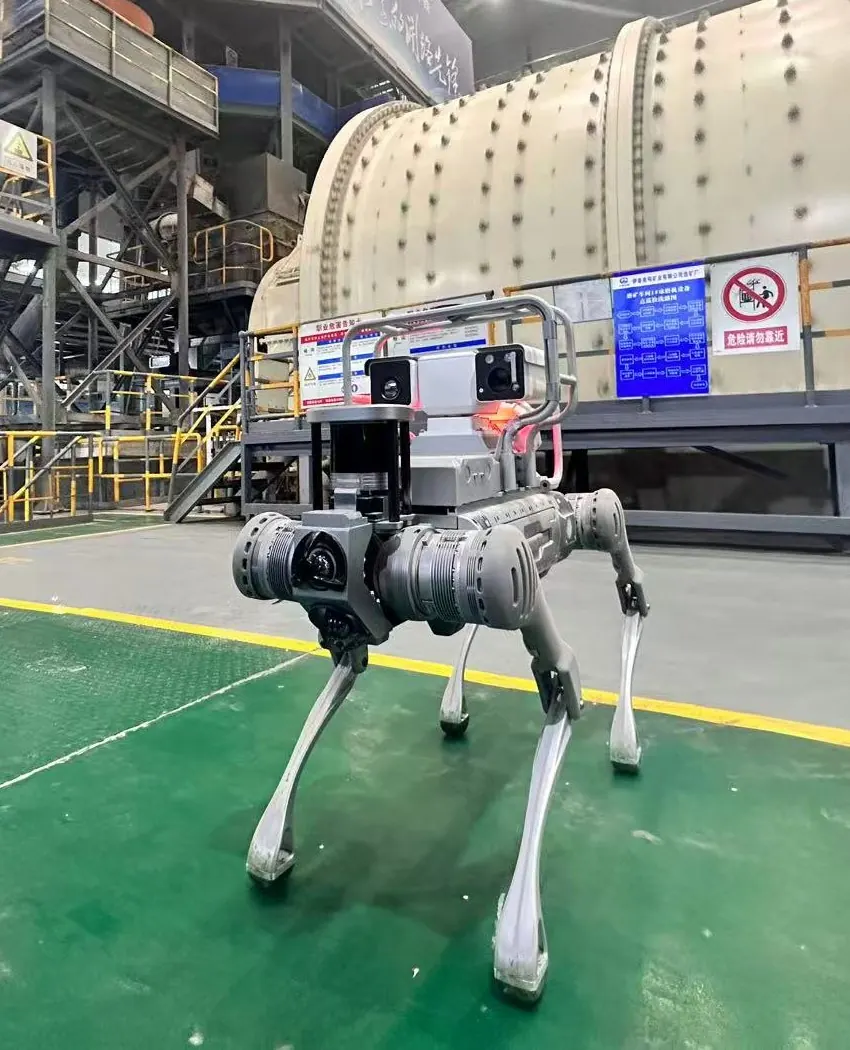
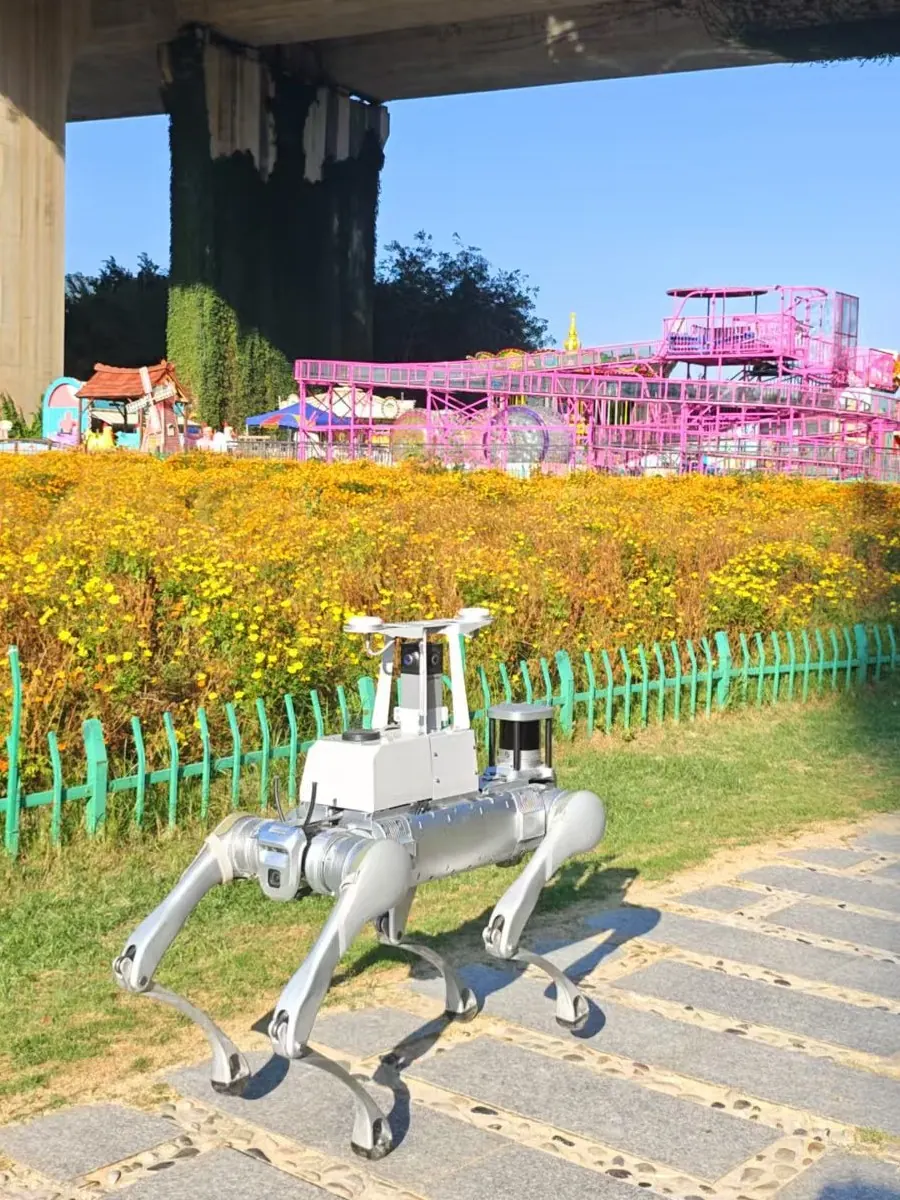
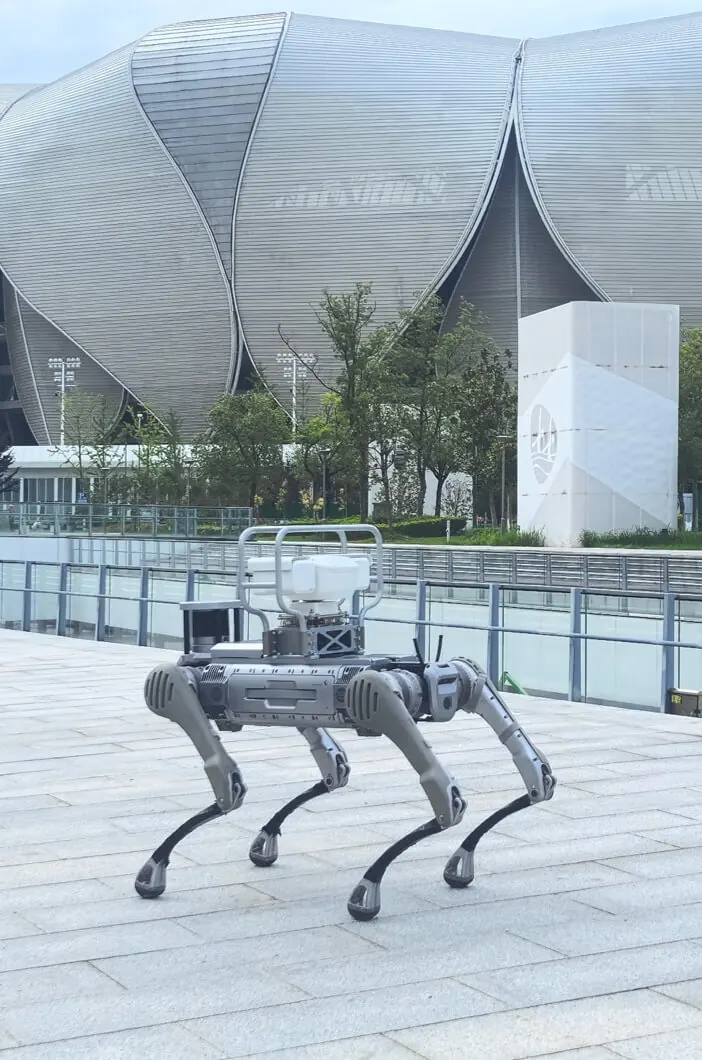
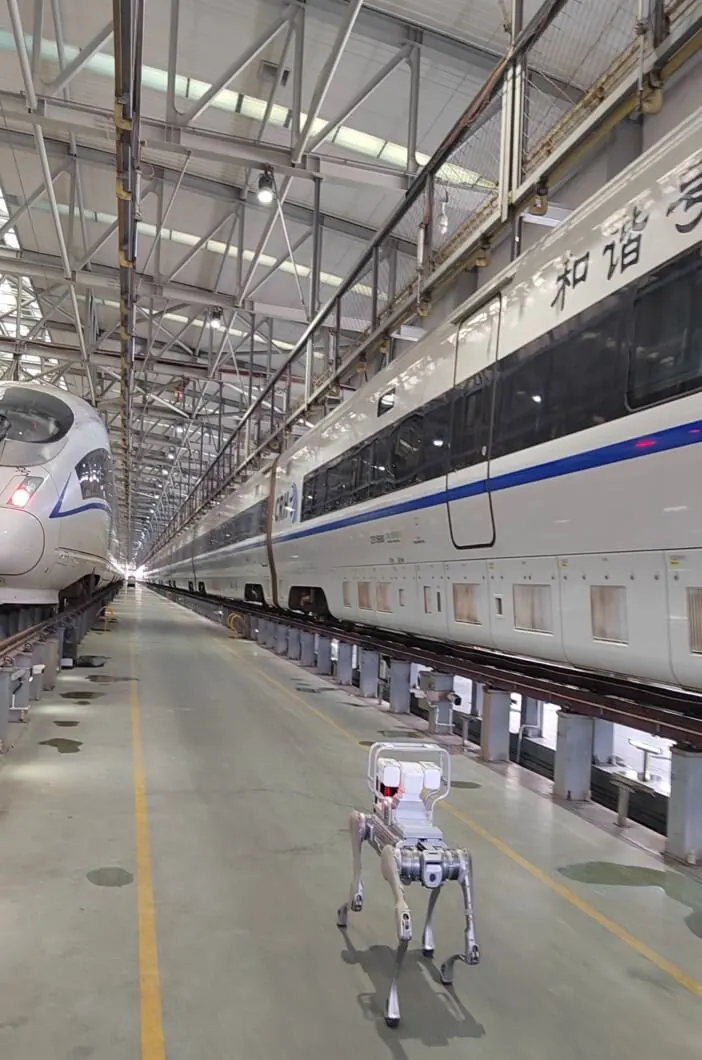
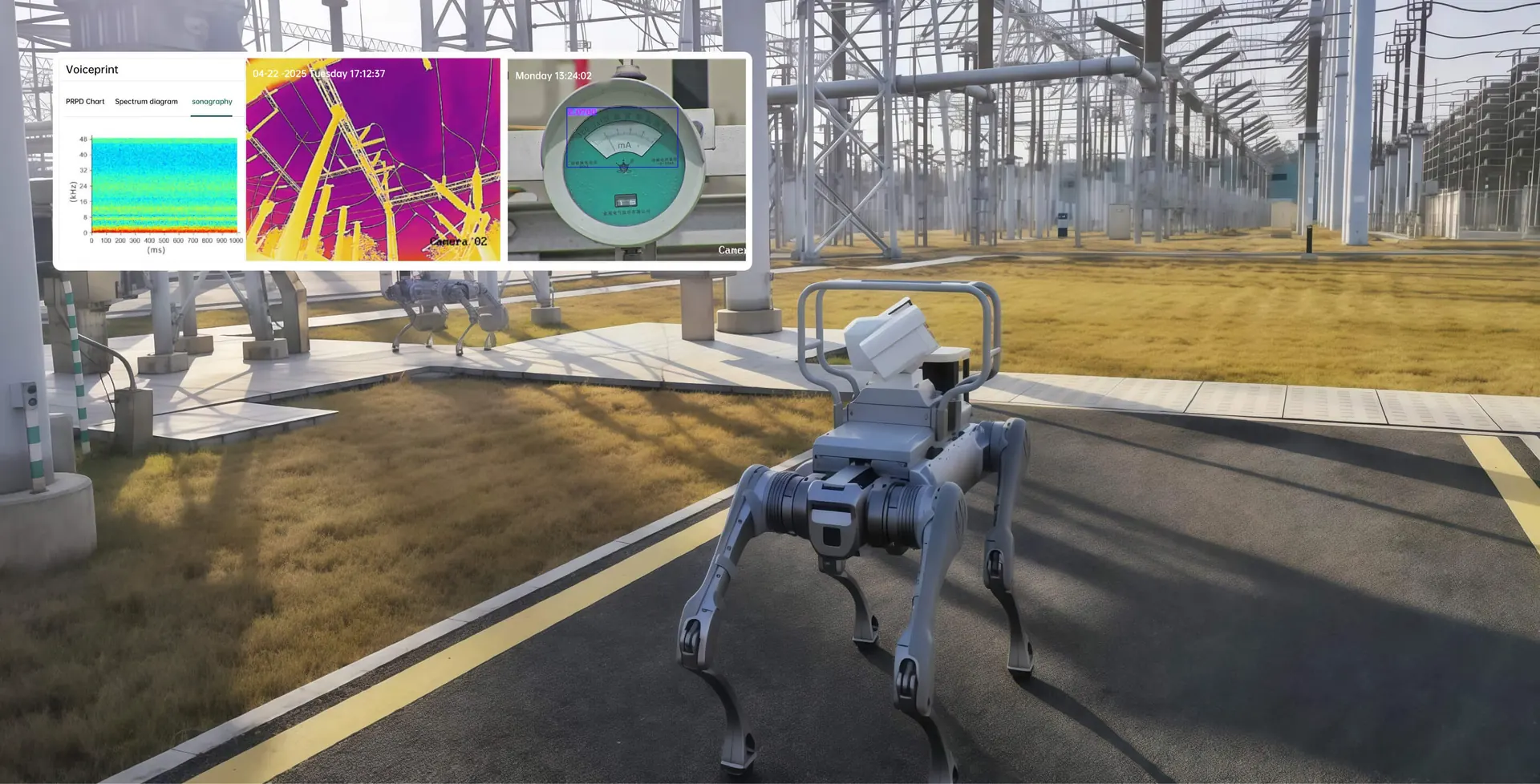
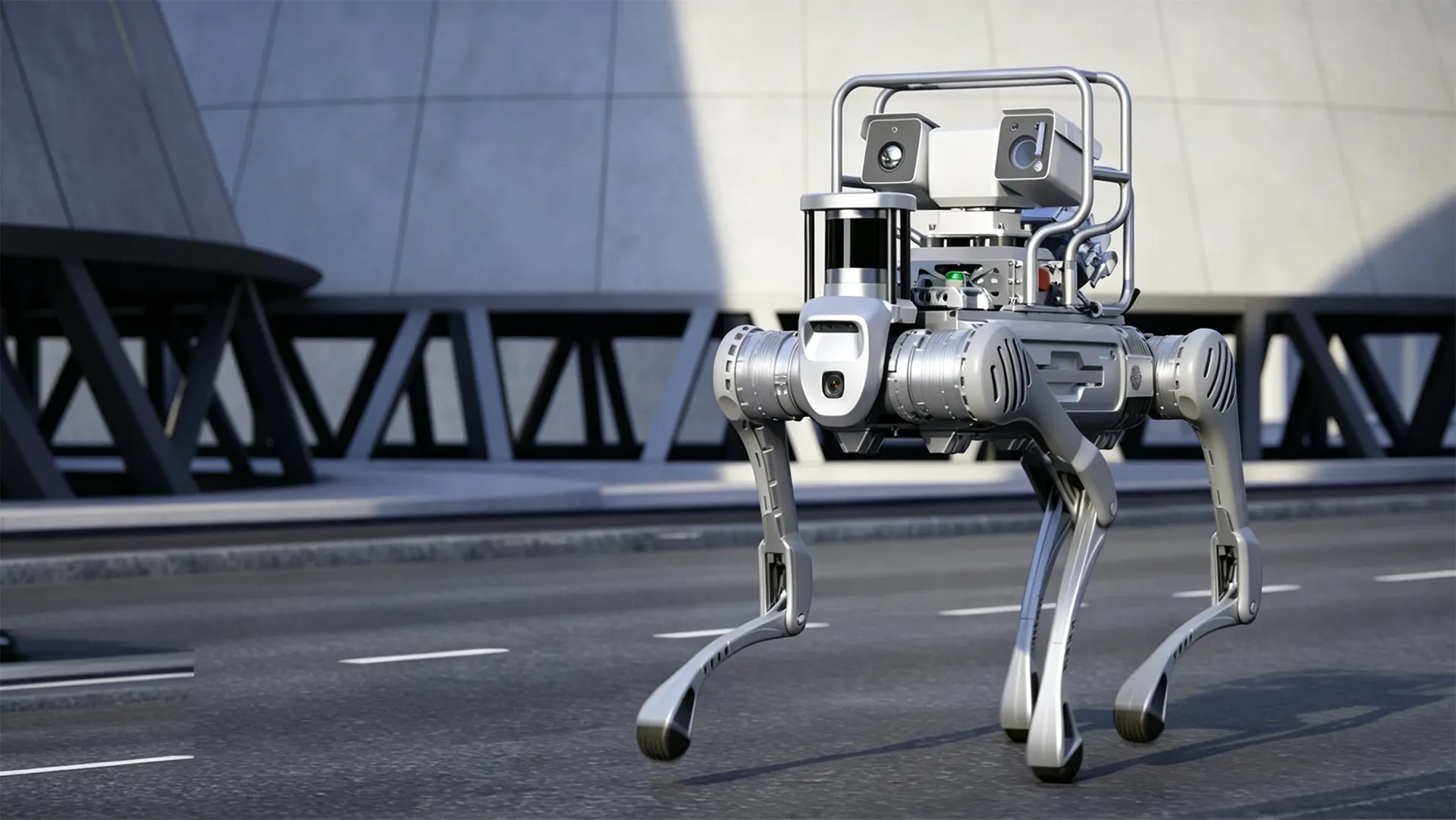
Pairs 640×512 thermal imaging with a 4 MP visible-light camera, offering 32× optical and 16× digital zoom. It reads temperatures between -20°C and 550°C to within ±2°C or ±2% of the measured value.
A 64- or 128-channel MEMS microphone array pinpoints and visualises abnormal sound sources in real time, helping to find equipment noise, partial discharge and gas leaks.
Brings together a 640×512 thermal sensor, a 4 MP daylight camera and 25× optical zoom, while 3-axis stabilisation keeps the picture steady as the robot moves. It measures from -20°C to 550°C within ±2°C or ±2%.
Detects six toxic gases (HF, Cl2, PH3, AsH3, B2H6 and F2) and picks up very small concentration changes, with measurement error kept within ±3% of full scale. Used for leak monitoring and safety alarms.
Several robotic arm options let the robot press buttons, turn valves, take samples and handle similar tasks.
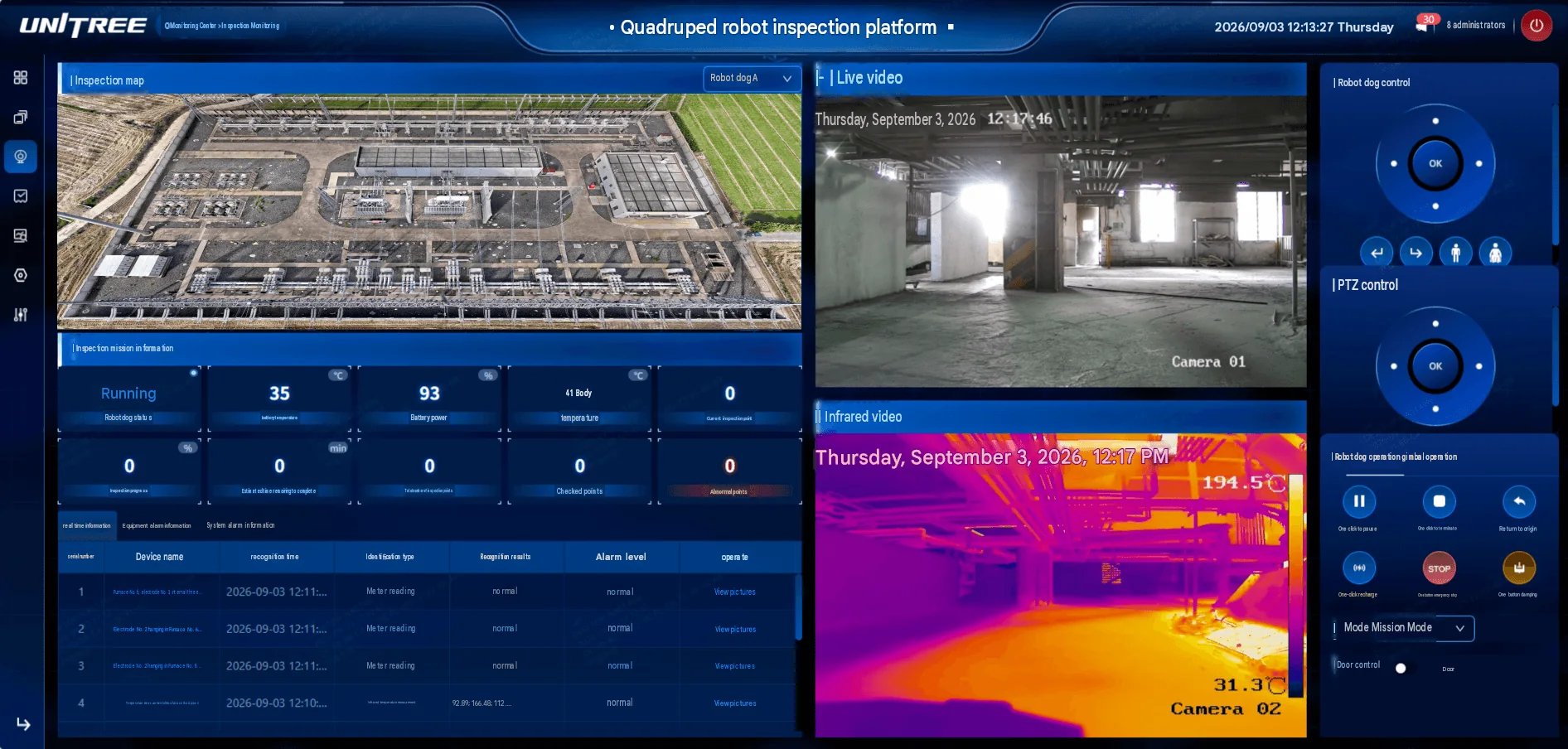
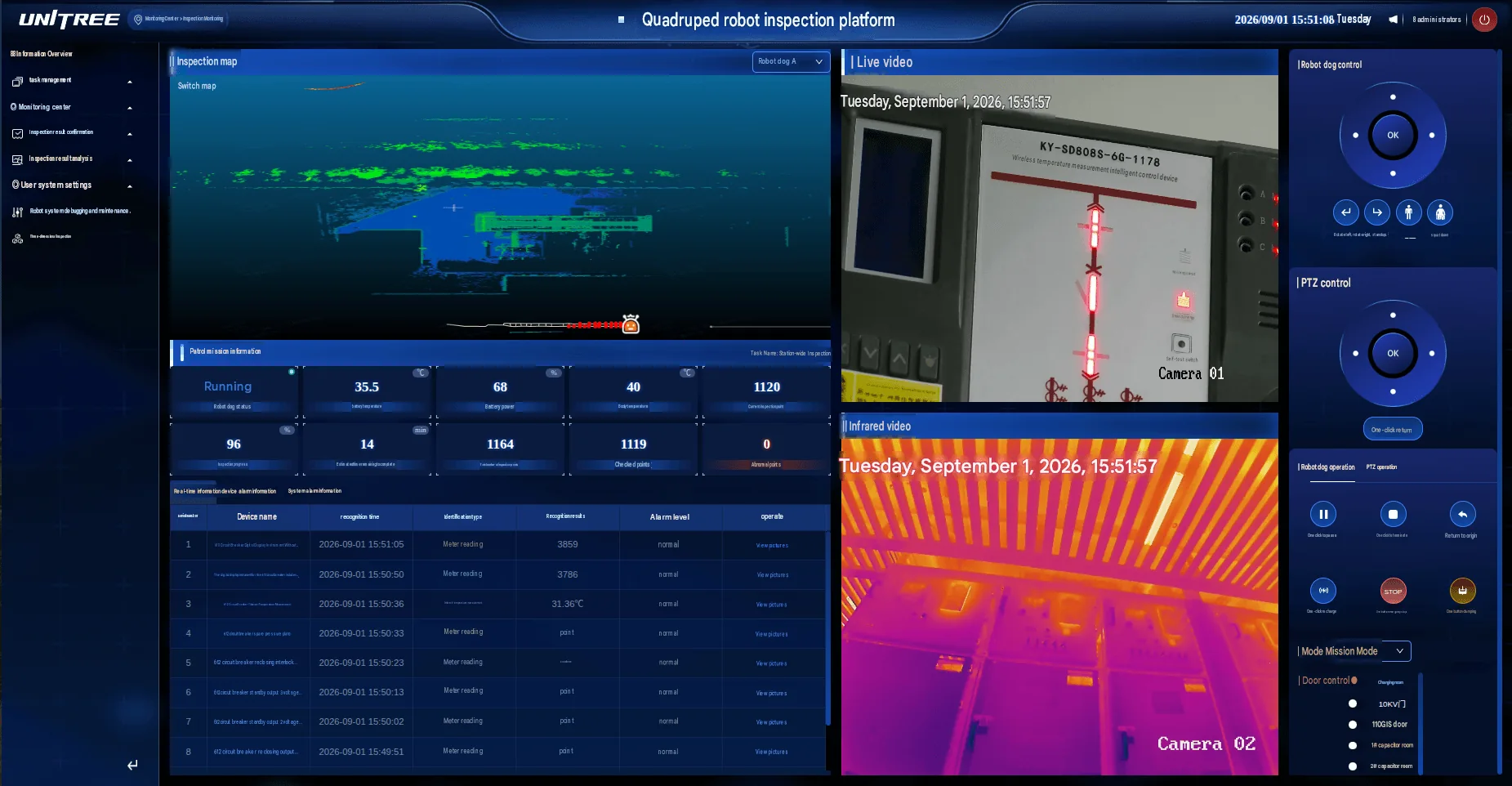
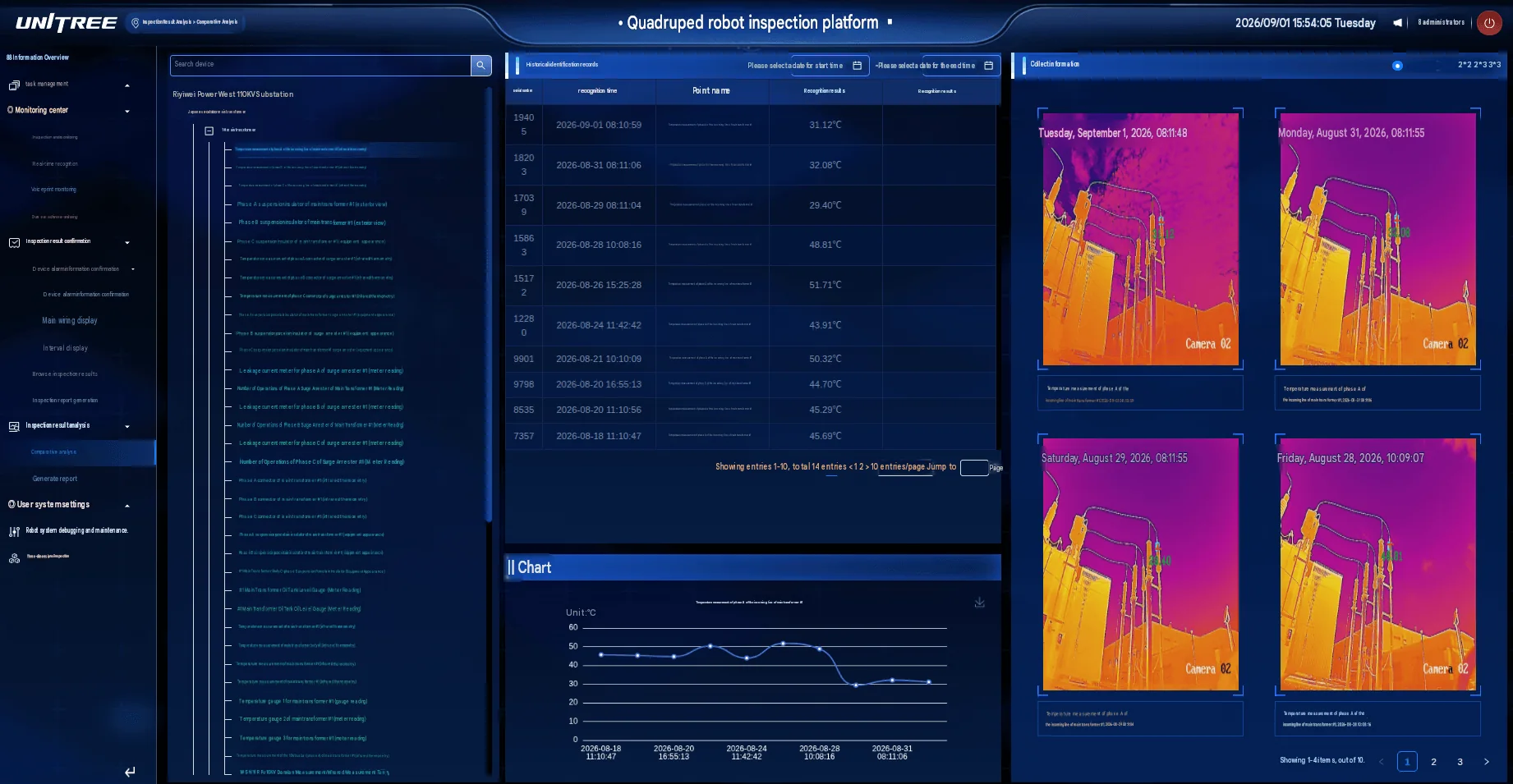
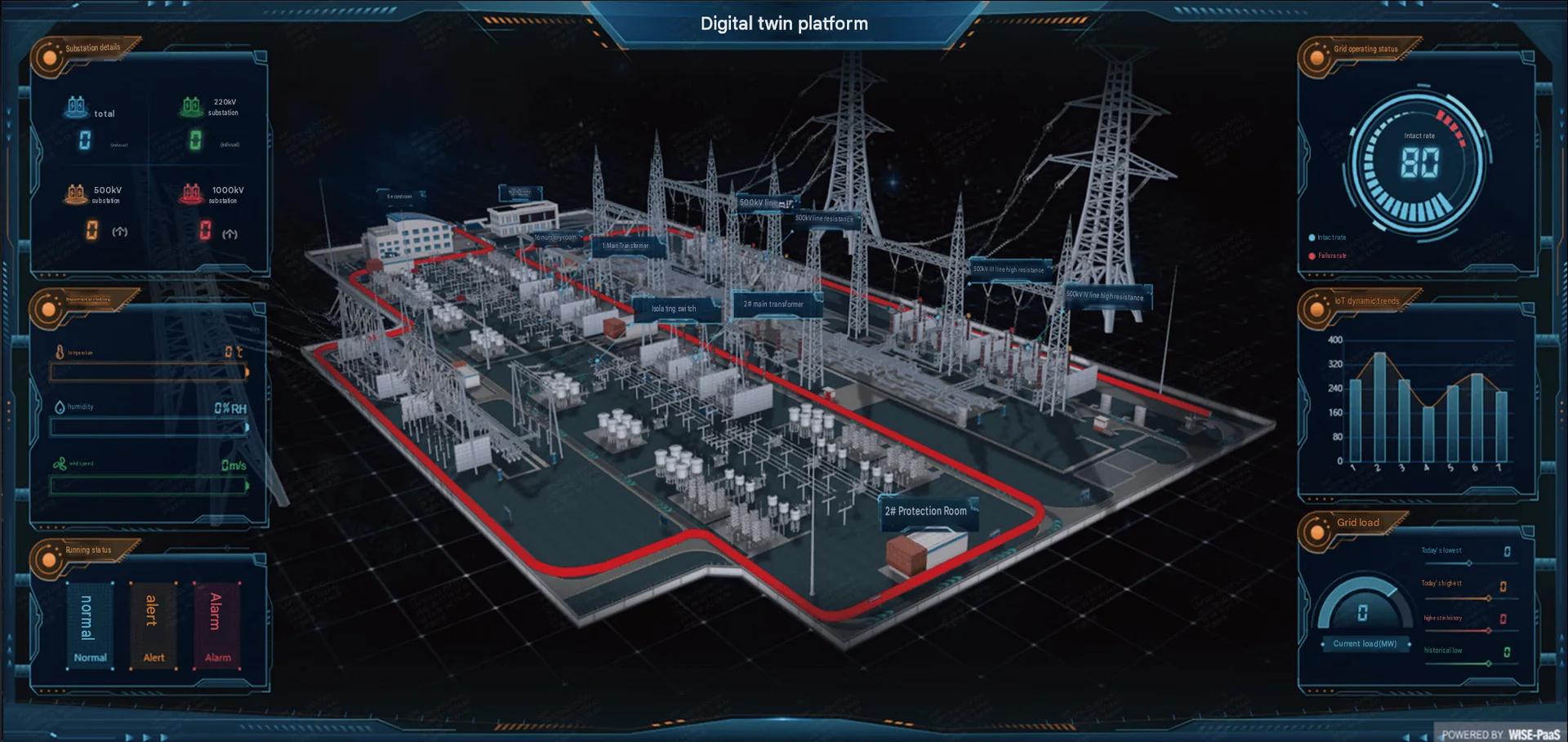
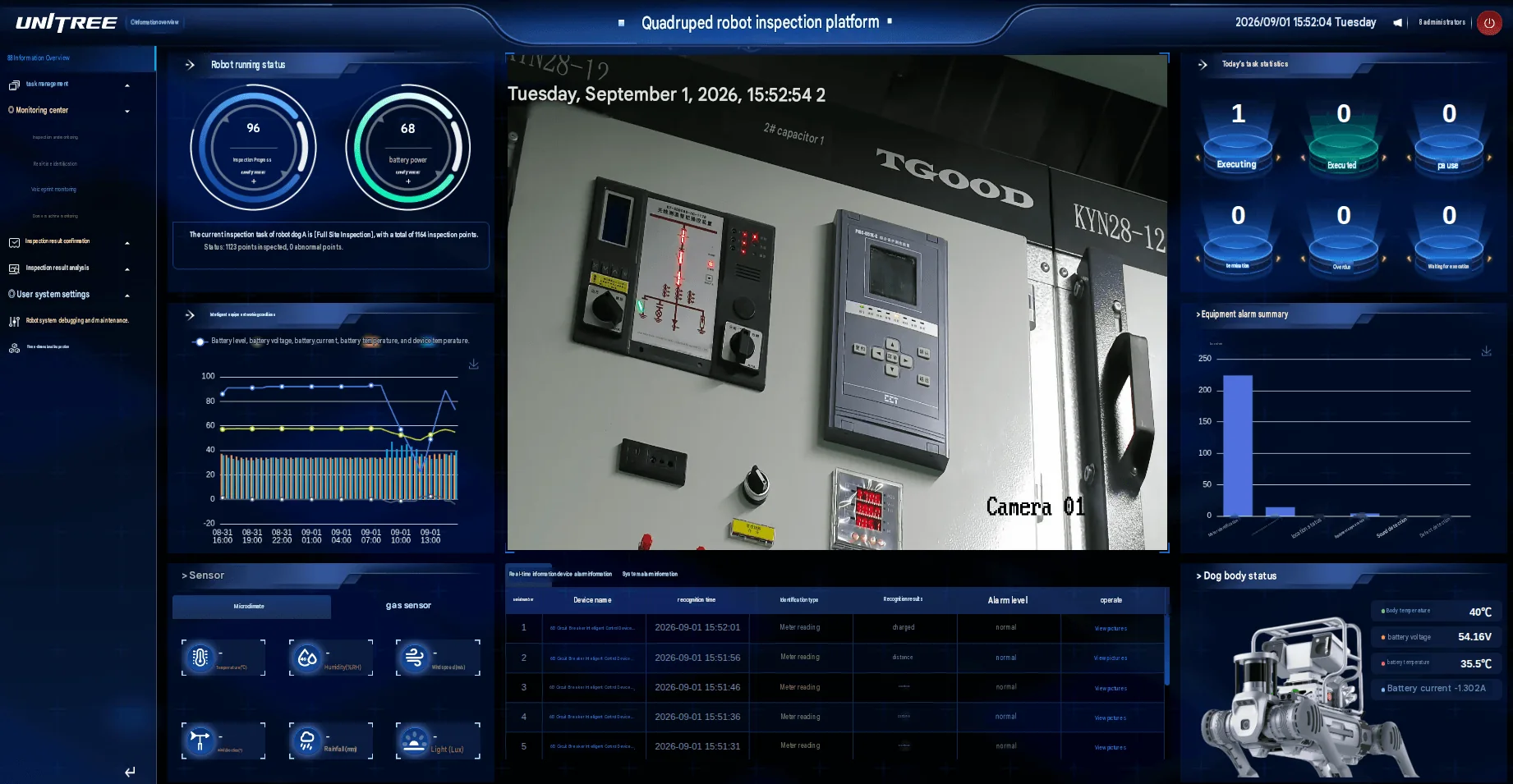
Strictly follows the technical specifications of State Grid Document No. 57, so it connects quickly and in a standard way to every kind of patrol system and device.
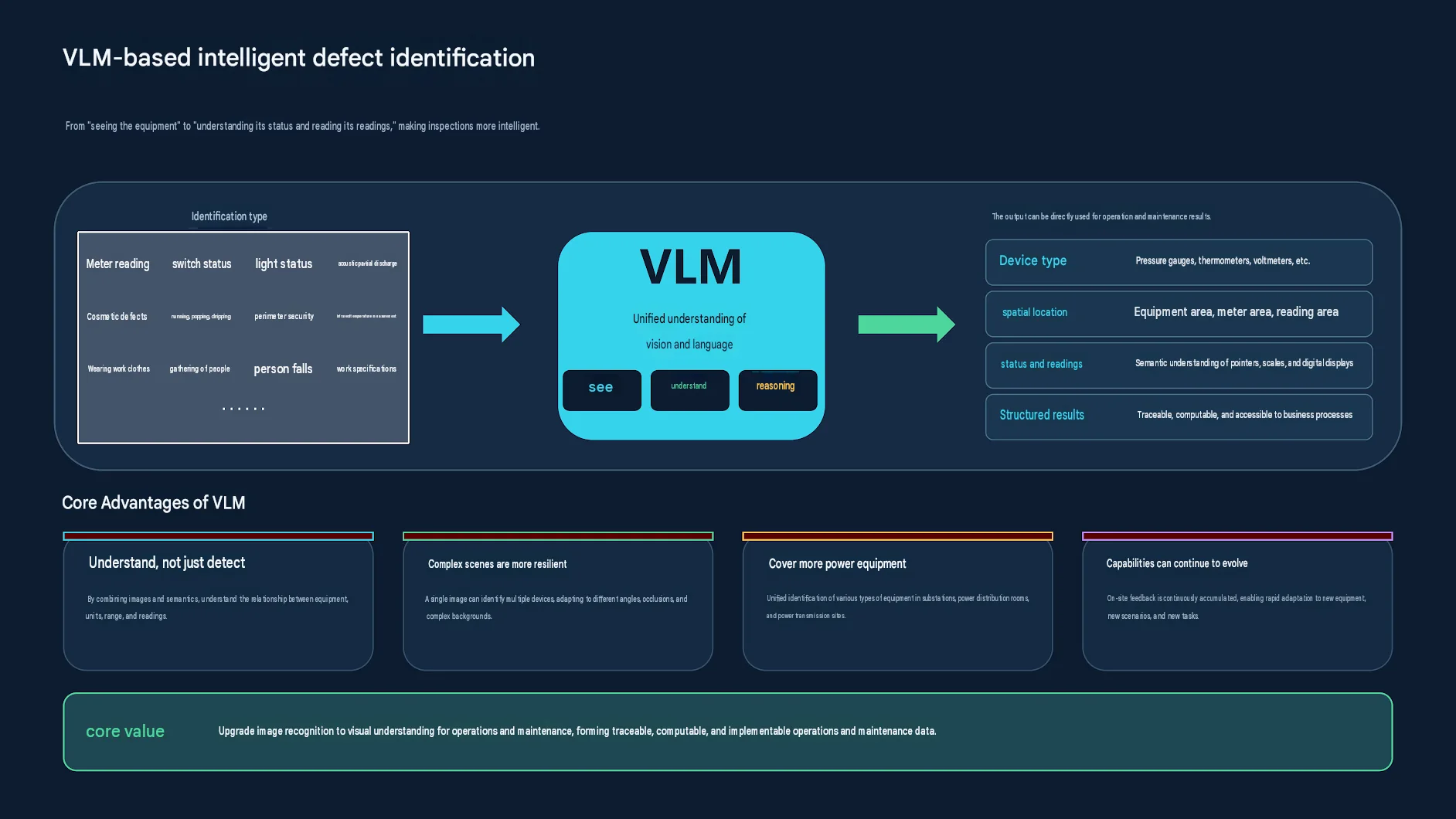
A built-in, high-efficiency point tool uses AI models to recognise equipment components automatically, so inspection points are set up quickly and consistently.
It works out the inspection tasks and target components by itself and then drives the patrol device autonomously to carry them out, greatly reducing manual point configuration.
Improved gauge recognition locates each gauge and identifies its type, semantically segments the measuring range and corrects distortion, reading the value automatically with no calibration at all.
Standard operating procedures (SOPs) cover installation, deployment, commissioning, operation and validation, keeping every stage of the rollout high in quality and efficiency.
Choose where the network and charging points go
Plan the route around how inspection points are spread
Install the charging docks and network equipment
Build the maps and calibrate points and equipment
Inspect each point along the optimal route
Upload data and produce reports in real time

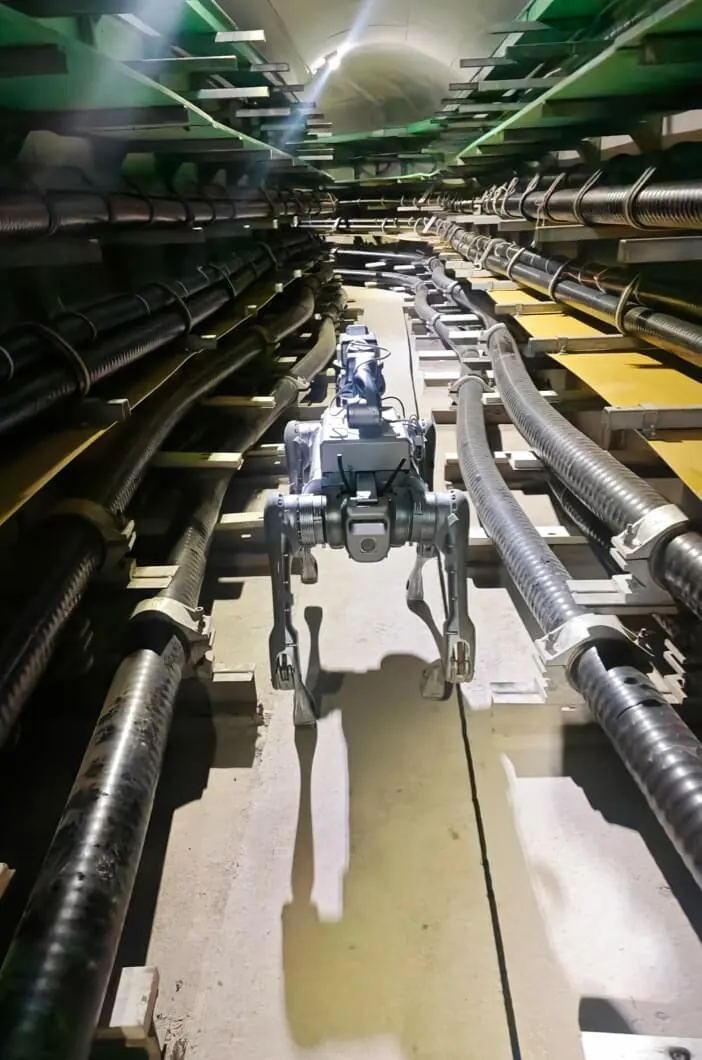
Six B2 robots carrying gas sensors, robotic arms, 3D LiDAR and both thermal and daylight cameras watch cable temperatures and tunnel conditions on their own, with central scheduling and fast alerts.

B2 moves through key wastewater, chemical dosing and ozone treatment areas, combining visual, thermal, acoustic and environmental sensing to read gauges and find equipment faults, leaks, corrosion and gas hazards.

B2 checks live electrical cabinets on the generator and turbine floors by itself, reading gauges and measuring temperatures to catch anomalies and help the plant run reliably.

At a 110 kV substation, A2 patrols the transformers, the GIS equipment, the 10 kV switchgear and the secondary rooms, keeping watch on equipment and environmental conditions both indoors and outdoors.

B2 brings acoustic and dual-spectrum imaging, 5G links and voice interaction together in a cloud-edge-device setup for continuous, multi-dimensional inspection of high-risk grinding workshops.

In calcium carbide furnace production areas, A2 uses LiDAR and thermal imaging to track temperatures continuously, syncing data to the operations platform while cutting the risk of burns and poisoning.

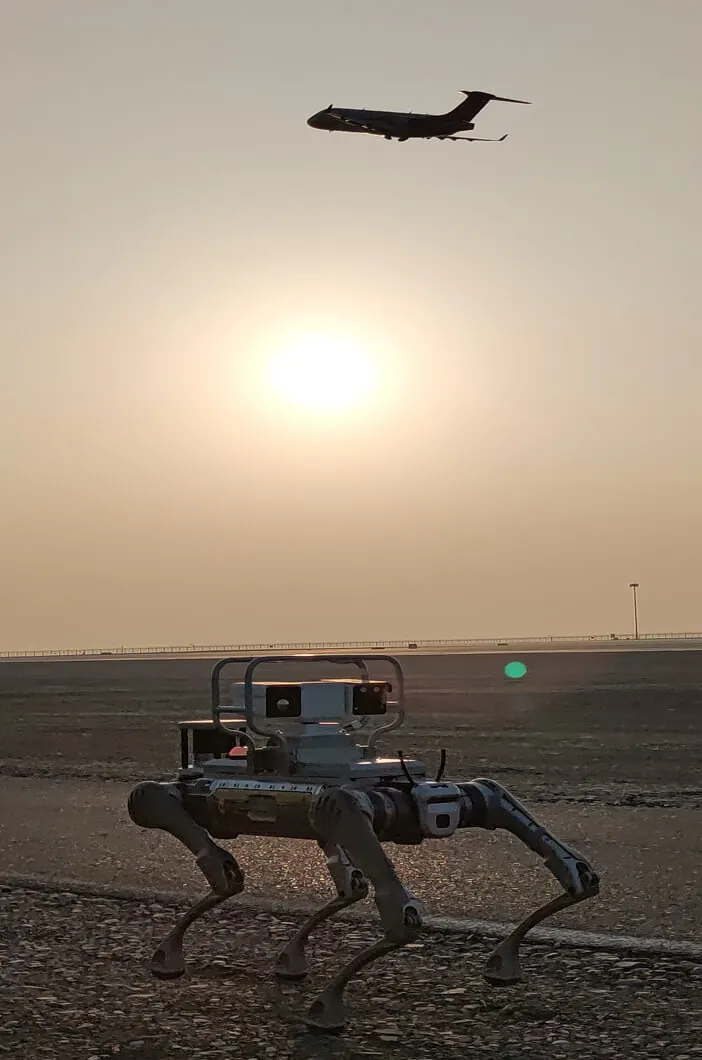
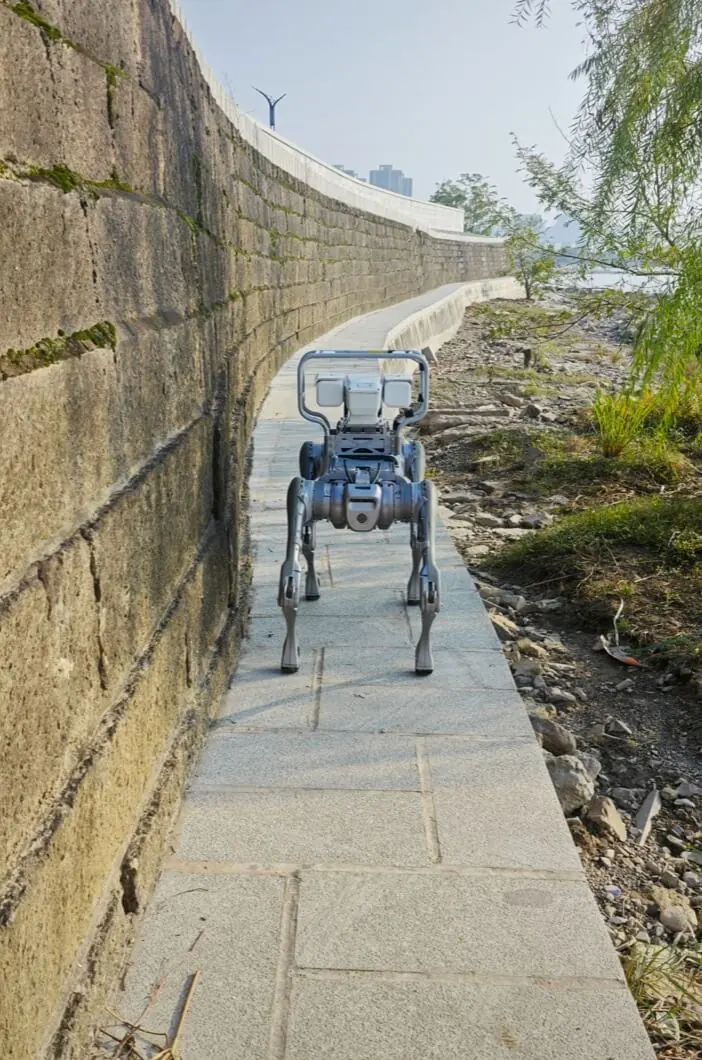
Quadruped robots patrol airport perimeters, embankments and buffer zones day and night, using multimodal sensing, audio-visual warnings and bird deterrence to spot intrusions, damaged fencing and bird activity.











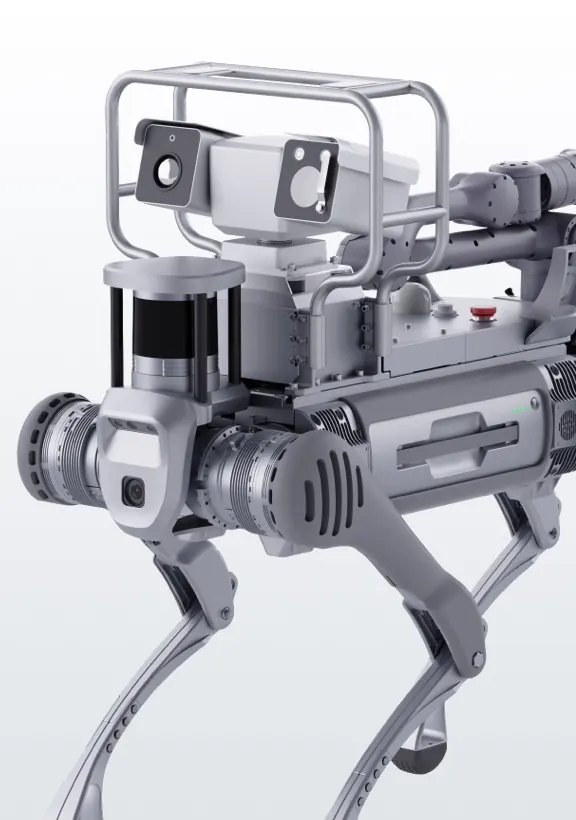
Fit thermal or daylight cameras, robotic arms, acoustic sensors, drones or firefighting gear to match what each site requires.

Data reaches the control centre in real time, reports are generated and trends compared, so decisions are made faster.
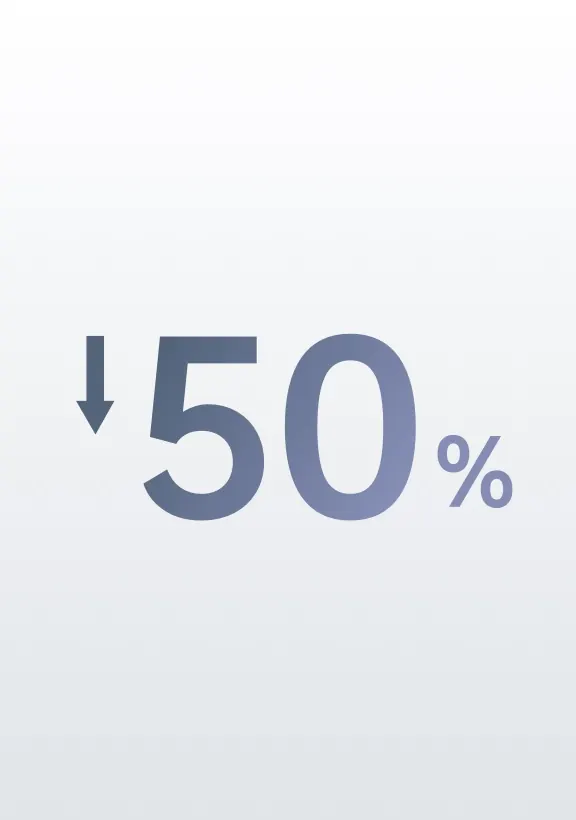
Automating frequent inspection rounds cuts recurring labour costs and shortens the payback period.
Fill in the form for a configuration and price quote suited to your site.
Request a Quote