Booster
K1
Introductory Embodied Development Platform
Introductory Embodied Development Platform
- Runtime
- 20 min
- Compute
- 48 TOPS
Official distributor and integrator in Turkey
Booster K1 and T2 humanoid robots: developer platforms for education, research, robot football and events
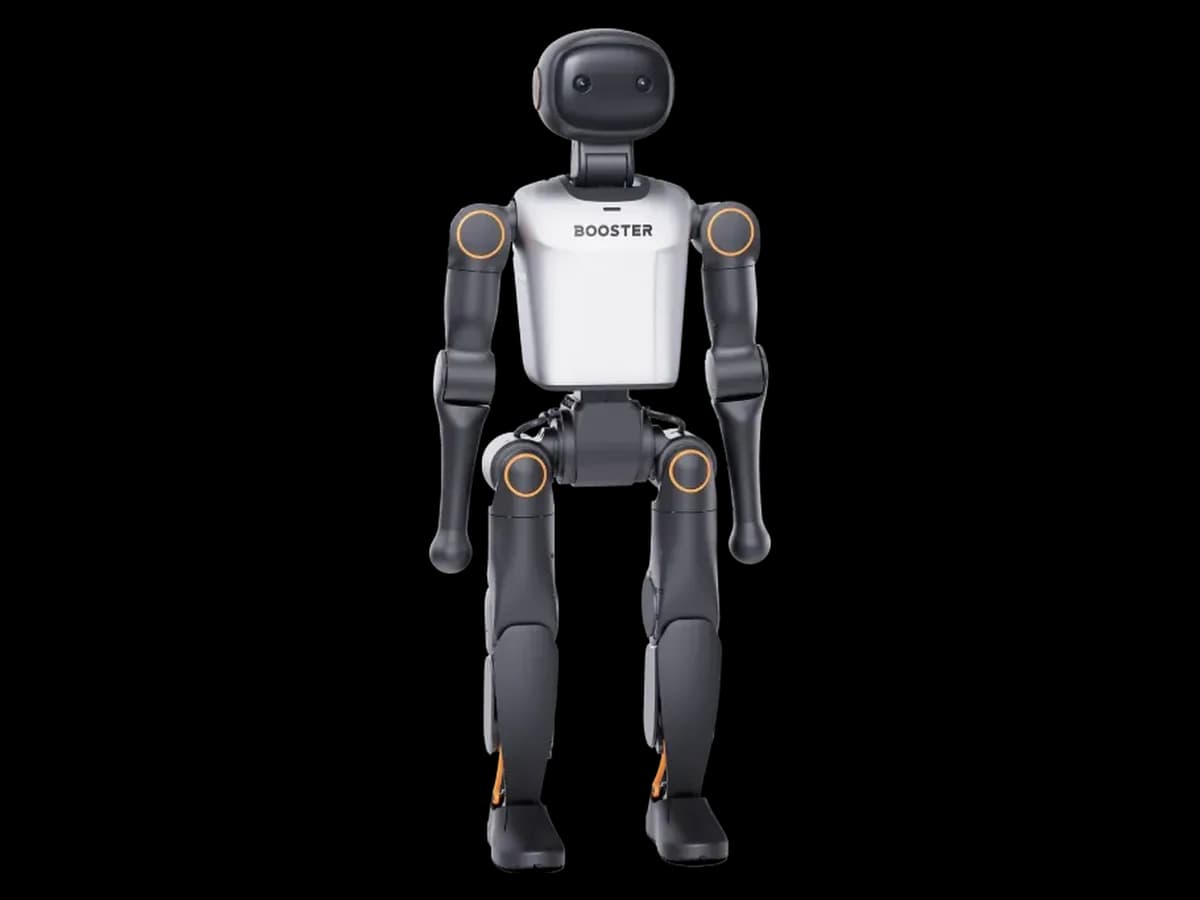
Booster Robotics' two series are offered in Turkey through Robotlar.org. The K1 is the introductory humanoid development platform: 95 cm tall, approximately 19.5 kg and 22 degrees of freedom. The Geek, Edu and Pro editions differ in AI compute at 48, 117 and 200 TOPS.
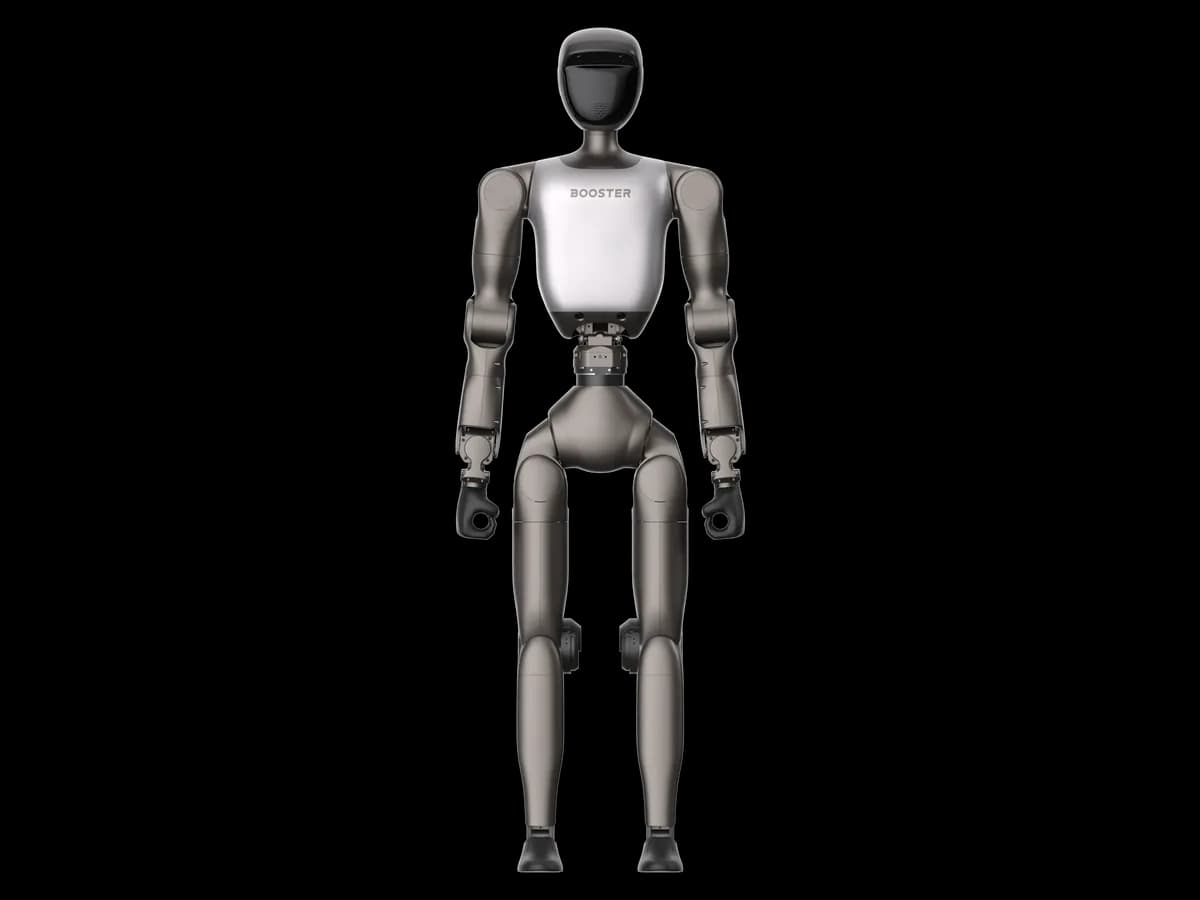
The T2 is the flagship development platform: approximately 1.4 m tall, 31 degrees of freedom, 140 Nm peak torque, 10 kg dual-arm payload and a three-axis waist. Its Edu and Pro editions differ in compute unit (375 TOPS ARM or Jetson Thor T5000), and each comes in three hardware codes by end effector: no hand, gripper or dexterous hand. Robotlar.org is the official distributor of Booster Robotics in Turkey. Sales, on-site commissioning, SDK and simulation setup and team training are handled by the same team; pricing is given as a pro forma quote that includes duties and freight.
Every model here sits in its own category, so the list is shown flat rather than grouped.
Both series share one developer ecosystem. The K1 is the compact entry platform for education and robot football; the T2 is the flagship for manipulation and research.
Introductory humanoid development platform
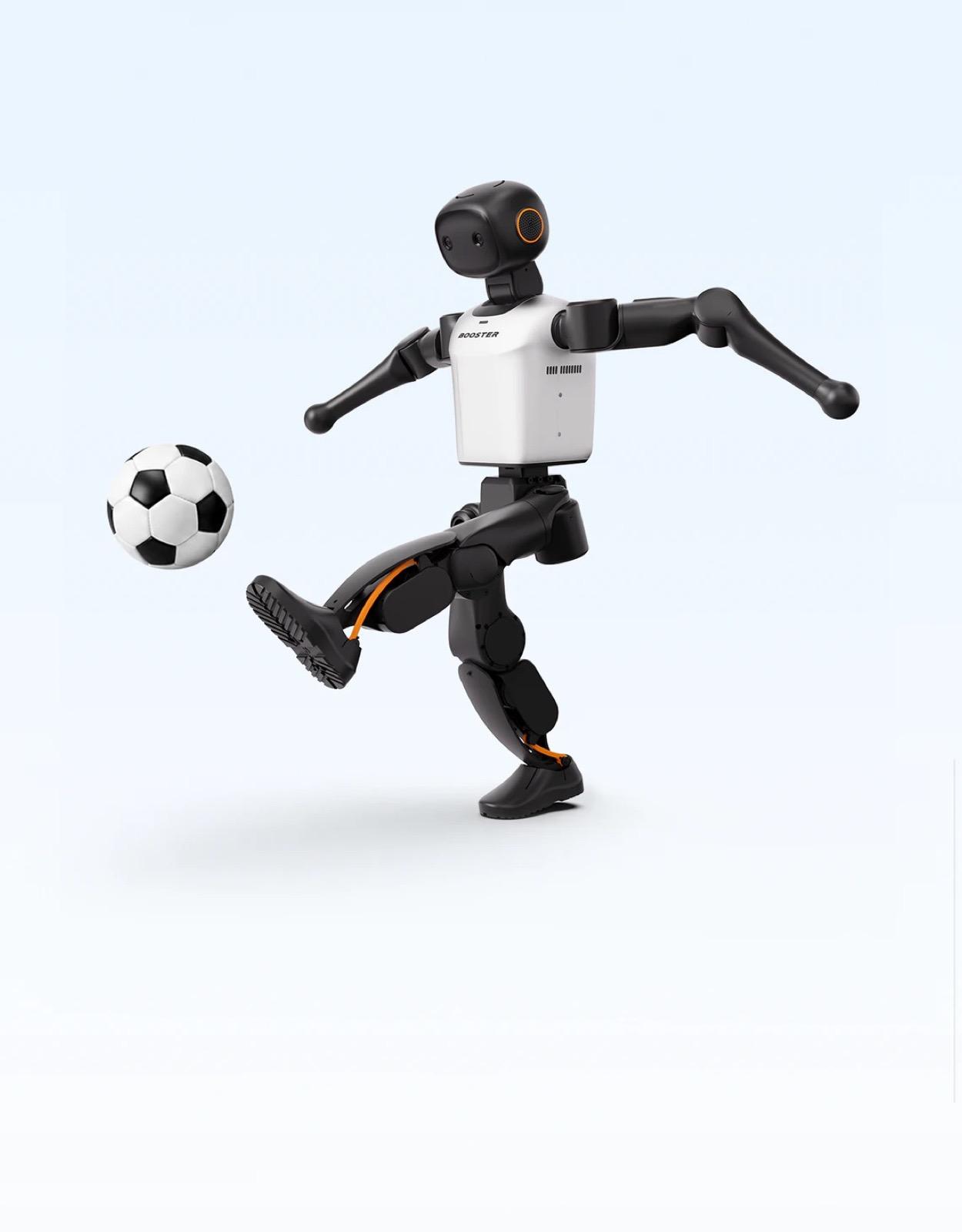
A compact humanoid at 95 cm and approximately 19.5 kg that moves easily between classroom, workshop and lab. The Geek, Edu and Pro editions share one body; they differ in AI compute, memory and battery.
| Feature | Geek | Edu | Pro |
|---|---|---|---|
| AI compute | 48 TOPS | 117 TOPS | 200 TOPS |
| Processor | ARM | Jetson Orin NX 8 GB | Jetson AGX Orin 32 GB |
| Memory and storage | 8 GB / 128 GB | 8 GB / 512 GB | 32 GB / 512 GB |
| Battery | 2 Ah | 5 Ah | 5 Ah |
| Runtime (1.1 m/s) | 20 minutes | 1 hour 10 minutes | 1 hour 10 minutes |
| Warranty | 3 months | 1 year | 1 year |
| Shared hardware | Depth camera, IMU, microphone array, speaker | Same | Same |
| Connectivity | Gigabit Ethernet, Wi-Fi 6, Bluetooth 5.2 | Same | Same |
The body is identical across the three editions: 95 cm, approximately 19.5 kg, 22 degrees of freedom (legs 2×6, arms 2×4, head 2). Turning speed is 1.5 rad/s and charging takes up to 2 hours. Operating range is -10 to 45 °C. CE and FCC certified. Edu or Pro is recommended for classroom use.
Flagship humanoid development platform
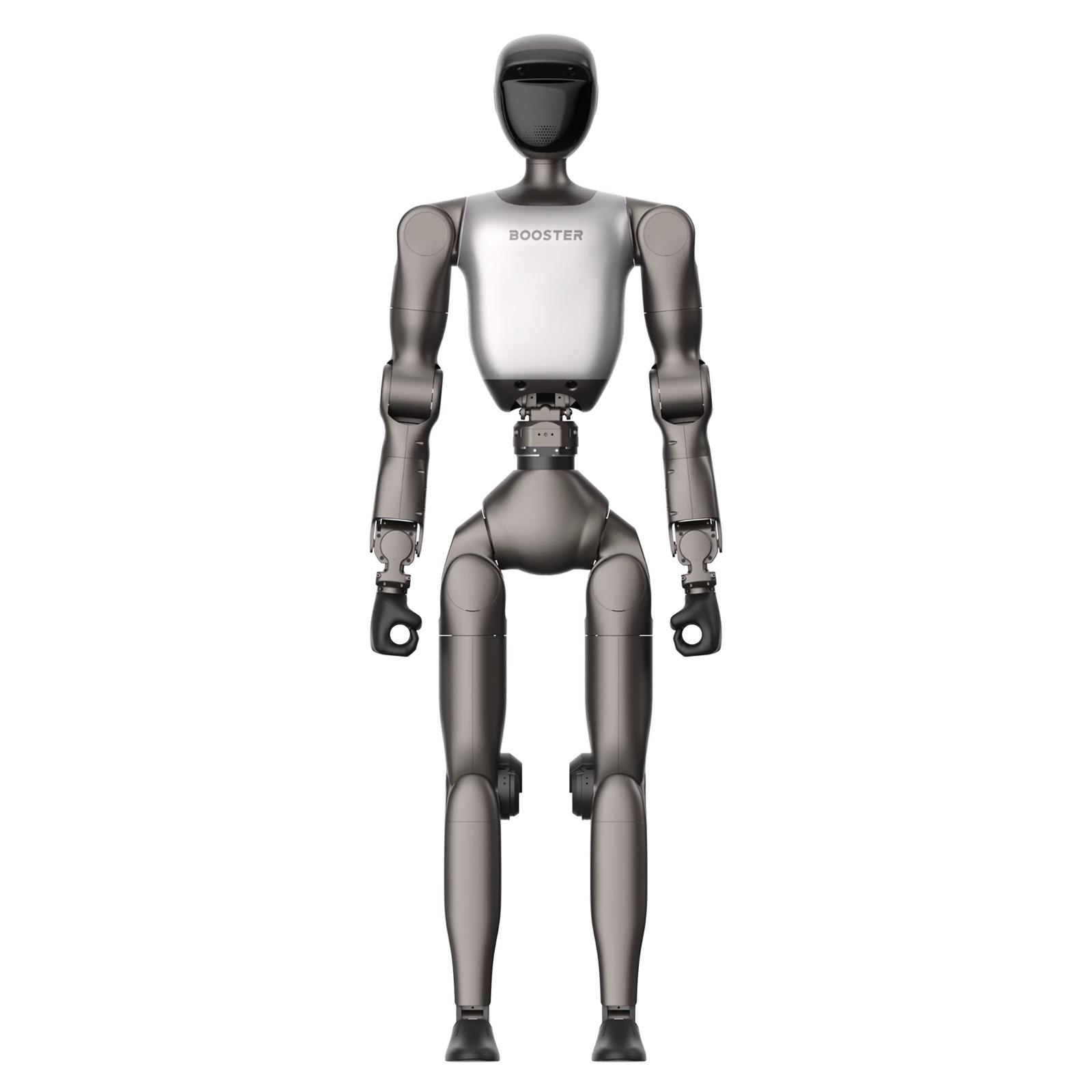
Approximately 1.4 m tall with 31 degrees of freedom, a three-axis waist and 10 kg dual-arm payload. The Edu and Pro editions differ in compute unit; the hardware codes differ in end effector.
| Feature | Edu E1 | Edu E2 | Edu E3 | Pro P1 | Pro P2 | Pro P3 |
|---|---|---|---|---|---|---|
| End effector | None | Gripper | Dexterous hand | None | Gripper | Dexterous hand |
| Compute unit | ARM, 16 cores | ARM, 16 cores | ARM, 16 cores | Jetson Thor T5000 | Jetson Thor T5000 | Jetson Thor T5000 |
| AI compute | 375 TOPS (INT8) | 375 TOPS (INT8) | 375 TOPS (INT8) | 2070 TFLOPS (FP4 sparse) | 2070 TFLOPS (FP4 sparse) | 2070 TFLOPS (FP4 sparse) |
| Memory and storage | 16 GB / 512 GB | 16 GB / 512 GB | 16 GB / 512 GB | 128 GB / 512 GB | 128 GB / 512 GB | 128 GB / 512 GB |
| Weight | ~42 kg | ~43 kg | ~43 kg | ~42 kg | ~43 kg | ~43 kg |
| Wrist camera (12 MP) | None | Yes | Yes | None | Yes | Yes |
The body is identical across the six editions: 31 degrees of freedom (legs 2×6, arms 2×7, waist 3, head 2), 140 Nm peak torque, 3 m/s speed and about 2 hours of continuous walking on a 48 V / 10 Ah battery. The head and waist cameras provide colour and depth. LiDAR is optional. Connectivity: Wi-Fi 6, Bluetooth 5.2, Ethernet. The dexterous-hand edition is quoted as "T2 Pro P3".
At a weight one person can carry, the K1 suits embodied AI lessons, project assignments and demo sessions in school, high-school and university workshops. In classroom use the 5 Ah Edu and Pro editions run for 1 hour 10 minutes.
For reinforcement learning, sim-to-real transfer and motion control work, the SDK, Isaac Lab, MuJoCo and Webots pipeline is ready. With 31 degrees of freedom and the Jetson Thor option, the T2 opens up research that needs heavy on-robot compute.
The K1's compact body and open SDK make experiments cheap and repeatable for teams preparing for robot football and competitions. Policies trained in simulation are deployed to the real body through the same SDK.
The motion library and dance routines turn the K1 into a visual stage element for trade show booths, launches and promotional events. The larger T2 stands out in wide spaces.
As integrator, Robotlar.org covers SDK and simulation environment setup, team training and engineering support throughout the project.
Access to the robot's motion and perception layers through RPC and DDS interfaces. Licensed Apache-2.0.
Rapid prototyping with the separately distributed Python SDK. Supports aarch64 and x86_64 on Ubuntu 22.04.
Reinforcement learning training for the K1 and T2. The official training repository is tested with Isaac Lab 2.3.2 and Isaac Sim 5.1.0.
Trying trained policies in MuJoCo and Webots and deploying them to the real body.
Introductory Embodied Development Platform
Flagship Embodied Development Platform
Yes. Robotlar.org is the official distributor of Booster Robotics in Turkey. The K1 and T2 are invoiced in Turkey, with a pro forma quote that includes duties and freight, on-site commissioning, training and service support. Lead time and warranty scope are stated in the quote and depend on edition and configuration.
Robotlar.org is the official distributor of Booster Robotics in Turkey. Sales, on-site commissioning, training and service are handled by the same team. Reach us through the quote form, by phone or on WhatsApp for a quote or a technical call.
The official distributor of Booster Robotics in Turkey is Robotlar.org. Whether you are looking for a reseller, dealer, representative or importer, the contact is the same; sales, technical service and partnership requests go to robot@robotlar.org.
Robotlar.org is not a Booster Robotics branch; it is a separate company that is the brand's official distributor in Turkey. For sales, service and warranty requests, the contact in Turkey is the Istanbul- and Ankara-based Robotlar.org team: +90 850 532 6777, WhatsApp +90 532 400 67 77.
Products are delivered under the manufacturer's warranty; the warranty period and scope depend on the edition and are stated in the quote. Warranty claims, fault diagnosis and spare part requests go to Robotlar.org technical service at robot@robotlar.org.
The K1 is the introductory education and development platform at 95 cm and approximately 19.5 kg, with 22 degrees of freedom and four-DoF arms. The T2 is the flagship platform at approximately 1.4 m: 31 degrees of freedom, seven degrees of freedom per arm, a three-axis waist, 140 Nm peak torque and 10 kg dual-arm payload. The K1 suits school labs, workshops and robot football; the T2 suits manipulation and research that needs high compute.
The body is identical across the three editions. The differences are AI compute, memory and battery: Geek 48 TOPS and 2 Ah (about 20 minutes), Edu 117 TOPS (Jetson Orin NX 8 GB) and 5 Ah, Pro 200 TOPS (Jetson AGX Orin 32 GB) and 5 Ah. The Edu and Pro editions run about 1 hour 10 minutes at a 1.1 m/s walk. Edu or Pro is recommended for classroom use.
The Edu edition has a 16-core ARM processor (375 TOPS, INT8) and the Pro edition an NVIDIA Jetson Thor T5000. The digit in the code is the end effector: 1 means no hand, 2 a gripper and 3 a dexterous hand. So E1 and P1 have no hand, E2 and P2 a gripper, and E3 and P3 a dexterous hand. The wrist camera is only on the gripper and dexterous-hand editions.
Booster does not publish list prices; pricing depends on edition, end effector and project scope. Robotlar.org prepares a pro forma quote including duties and freight. Specify the model and edition in the quote form; the pro forma is emailed within 24 hours.
A C++ SDK (RPC and DDS interfaces), a separately distributed Python SDK (Apache-2.0), training with Isaac Lab, and simulation and deployment with MuJoCo and Webots. The SDK supports aarch64 and x86_64 on Ubuntu 22.04. As integrator, Robotlar.org covers SDK and simulation environment setup, team training and engineering support throughout the project.
In university and research labs for reinforcement learning and sim-to-real work, in schools and workshops for embodied AI education, in robot football and competition preparation, and in event and trade show use. The T2 is also suited to dual-arm manipulation trials.
Brand alone is not enough: payload, operating environment, shift pattern, human traffic and integration needs shape the decision together. Let us map the right architecture with your site measurements.