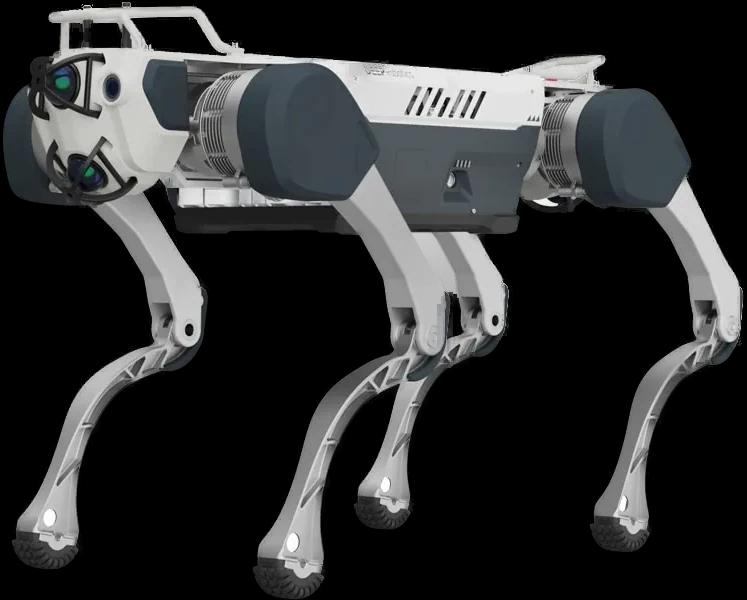
What the Announcement Says
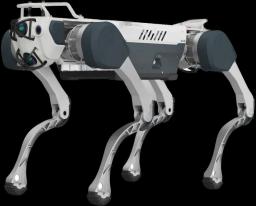
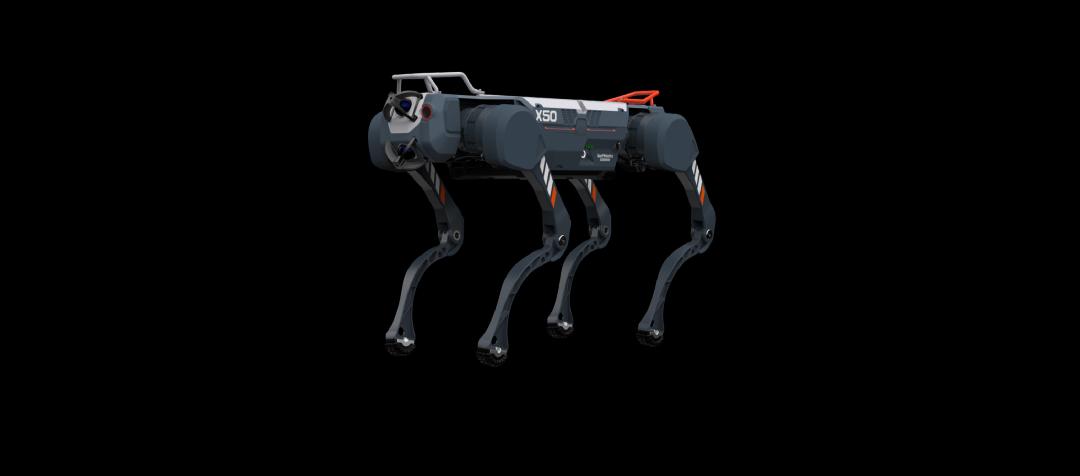
According to DEEP Robotics' announcement dated November 7, 2026, the joints and body structure were comprehensively optimised for the X50. The company highlights the following:
- Payload: 50 kg carried in continuous travel, with no increase in body size.
- Speed and distance: Sustained running for more than 2 km at 3 m/s with the 50 kg rated load.
- Terrain: Repeated climbs onto 80 cm platforms, crossing stone blocks spaced 70 cm apart, and climbing open-riser stairs.
- Perception and control: Reinforcement-learning-based motion control that fuses LiDAR point cloud and IMU data.
- Posture control: Adjustable pitch, yaw and roll angles, and balance recovery under external forces such as pushing, pulling and impacts.
The company illustrates posture control with a firefighting scenario: by its account, the robot can offset the recoil of pressurised water in a fire hose and hold the spray direction steady. Other tasks listed in the announcement include carrying hydraulic tools, insulator strings and grounding sets at power facilities, and delivering life detectors, breaching tools and medical supplies in search and rescue.
Product Page Specifications and How It Differs From the X30
DEEP Robotics has also opened a product page for the X50 on its Chinese website. The page lists two versions, the X50 and the X50 Pro. The table below sets the X50 figures next to those the company gives on its official site for the X30, the earlier model in the same series.
| Specification | Jueying X50 | Jueying X30 |
|---|---|---|
| Continuous operating payload | 50 kg | 20 kg |
| Weight (with battery) | About 57.5 kg | About 56 kg |
| Standing dimensions | About 990 x 455 x 685 mm | About 1000 x 470 x 695 mm |
| Operating speed | Up to 1.5 m/s walking, up to 3 m/s sustained running | Up to 2.5 m/s |
| Runtime under load | 2 hours with 50 kg, 3.5 hours with 20 kg | About 2.5 hours |
| Stair step height | 25 cm | 20 cm |
| Slope | 35 degrees | 30 degrees |
| Ingress protection | IP67 | IP67 |
| Operating temperature | -20 to 55 °C | -20 to 55 °C |
According to the product page, the X50 Pro weighs about 60 kg and stands 705 mm tall; both versions carry four LiDAR units and one wide-angle camera. The page also gives a 200 kg standing load limit, while noting that this should not be treated as a normal operating condition. The footnotes add that the 4.5 m/s limit speed was measured under laboratory conditions, that the 2 km running distance was achieved with a 50 kg load at 3 m/s, and that the slope figure can vary with the surface. The company states that all figures are its own test data and may differ in real operating environments.
The comparison shows that the X50 stays at almost the same weight and size as the X30 while raising the continuous operating payload from 20 kg to 50 kg. For pricing, lead time and configuration options, contact the Robotlar.org sales team.
What It Means for Turkey
Robotlar.org is the partner and distributor of DEEP Robotics in Turkey. The Jueying X50 is coming to the Robotlar.org portfolio very soon; you can already contact our team for pre-orders and quotes.
For organisations in Turkey the news matters: payload capacity in quadruped robots is rising, which moves the robot from an inspection tool that only carries cameras toward a field tool that carries equipment. Energy facilities, fire services and search and rescue teams evaluating a robot should compare the weight of the load to be carried, the runtime with that load, and the stair and slope conditions on site against the manufacturer's figures, ideally with a site trial.
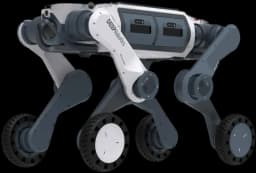
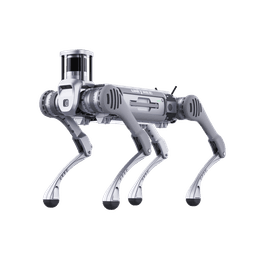
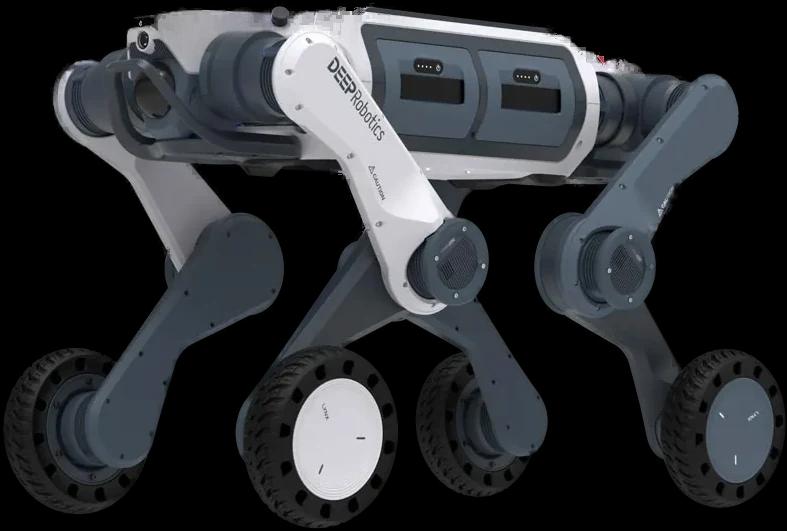
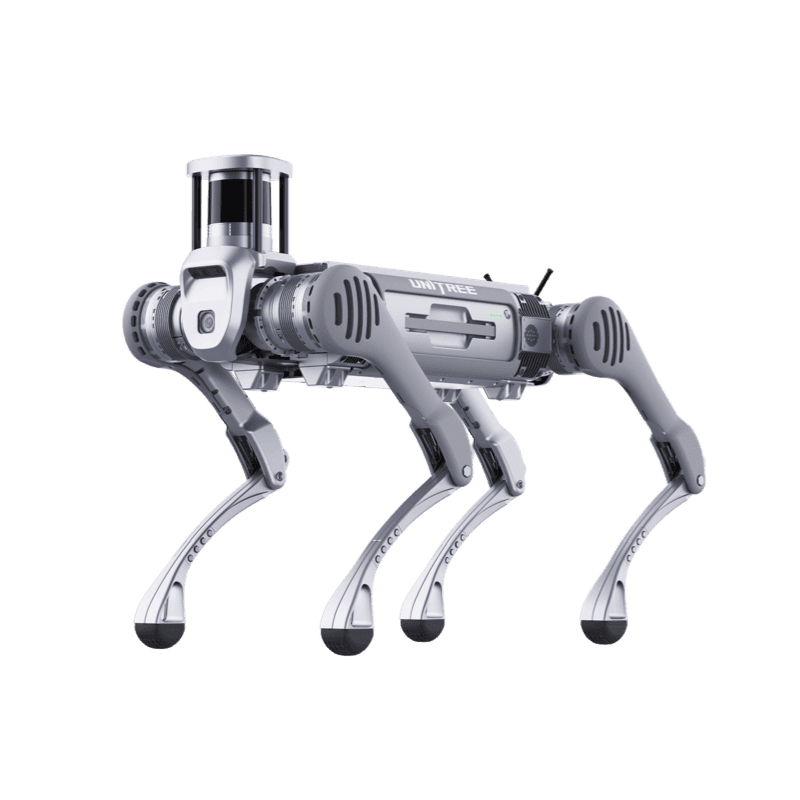
Industrial quadruped options listed on the site today include the DEEP Robotics X30, the wheel-legged Lynx M20 and the Unitree B2. The guide on choosing a robot thermal camera, the power line inspection robot guide and the energy facility robot solutions page are useful starting points. Robotlar.org offers DEEP Robotics products in Turkey with sales, integration and after-sales support.